

Kimchi is a classic Korean fermented dish made with vegetables, spices, and time. It’s spicy, sour, a little funky, and incredibly addictive once you get used to it. The best part is you can make it at home with simple ingredients and adjust the flavor exactly how you like.
Why You’ll Love Homemade Kimchi
- Deep, complex flavor that store-bought often lacks
- Naturally probiotic and gut-friendly
- Customizable spice level
- Keeps well for weeks
- Gets better with time
Ingredients You’ll Need
- 1 medium napa cabbage
- ¼ cup salt (for brining)
- 4 cups water
For the Kimchi Paste
- 1 tablespoon grated garlic
- 1 teaspoon grated ginger
- 1–2 tablespoons sugar
- 2–3 tablespoons Korean red pepper flakes (gochugaru)
- 2 tablespoons fish sauce (or soy sauce for vegetarian)
- 2 green onions (chopped)
- 1 small carrot (julienned, optional)
How to Make Kimchi
Step 1: Prep the Cabbage
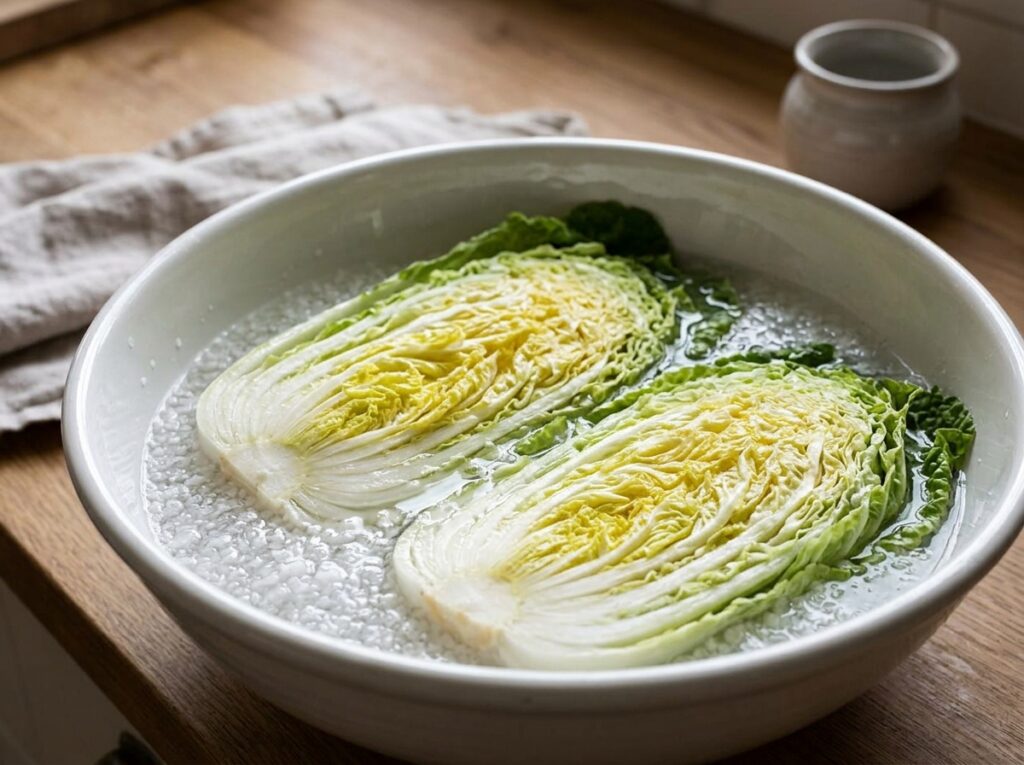
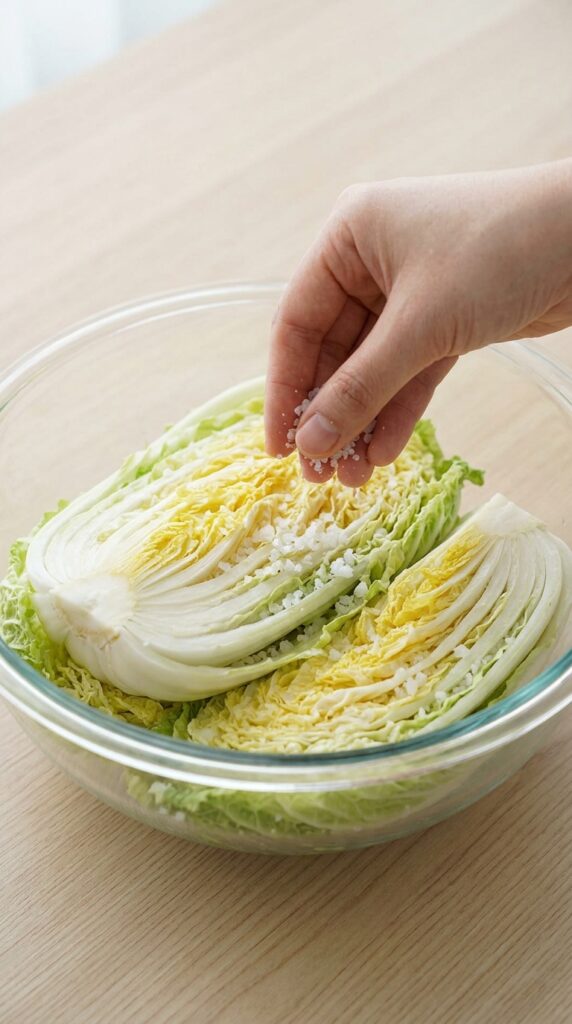
Cut the cabbage into quarters and rinse it. Dissolve salt in water and soak the cabbage for 2–3 hours, turning occasionally. This softens it and draws out moisture.
After soaking, rinse the cabbage well to remove excess salt and drain.
Step 2: Make the Paste
In a bowl, mix garlic, ginger, sugar, gochugaru, and fish sauce into a thick paste. Add a little water if needed to help it blend.
Step 3: Combine Everything
Wear gloves (recommended). Rub the paste all over the cabbage leaves, making sure everything is well coated. Add green onions and carrots while mixing.
Step 4: Pack It
Place the coated cabbage into a clean jar or container. Press it down tightly so there are no air gaps.
Step 5: Ferment
Leave the jar at room temperature for 1–3 days. You’ll start to notice a sour smell and slight bubbling.
After that, move it to the fridge to slow down fermentation.
Step 6: Enjoy
Kimchi can be eaten fresh, but it tastes better after a few days of fermentation. The longer it sits, the more tangy and strong the flavor becomes.
Tips for Best Results
- Use napa cabbage for authentic texture
- Adjust chili flakes based on your spice tolerance
- Keep everything clean to avoid spoilage
- Taste daily during fermentation to get your preferred sourness
Variations You Can Try
- Add radish for crunch
- Make it vegan with soy sauce instead of fish sauce
- Add a little rice paste for thicker texture
- Try cucumber kimchi for a quicker version
How to Store
- Store in the refrigerator for several weeks
- Flavor will continue to develop over time
- Always use clean utensils when taking it out
Final Thoughts
Making kimchi at home might feel unusual at first, but it’s actually simple once you try it. It’s bold, flavorful, and adds a punch to almost any meal. Plus, there’s something satisfying about making your own fermented food from scratch.
