

Russian Napoleon Cake is a classic layered dessert that feels rich, creamy, and comforting without being overly sweet. It is made with many thin pastry layers that bake up crisp, then soften beautifully once they are stacked with smooth cream filling. After resting, the cake turns tender and sliceable, with each bite melting gently in your mouth.
This cake is popular across Eastern Europe and has been passed down through families for generations. While it looks impressive, it is made with simple ingredients and basic baking skills. The magic happens when time does the work. The layers absorb the cream and transform into something soft and elegant.
If you enjoy layered desserts with deep flavor, you may also like Pineapple Coconut Dream Cake for a tropical twist or Butter Pecan Tres Leches Cake when you want something rich and comforting. Russian Napoleon Cake fits right in with those timeless desserts.
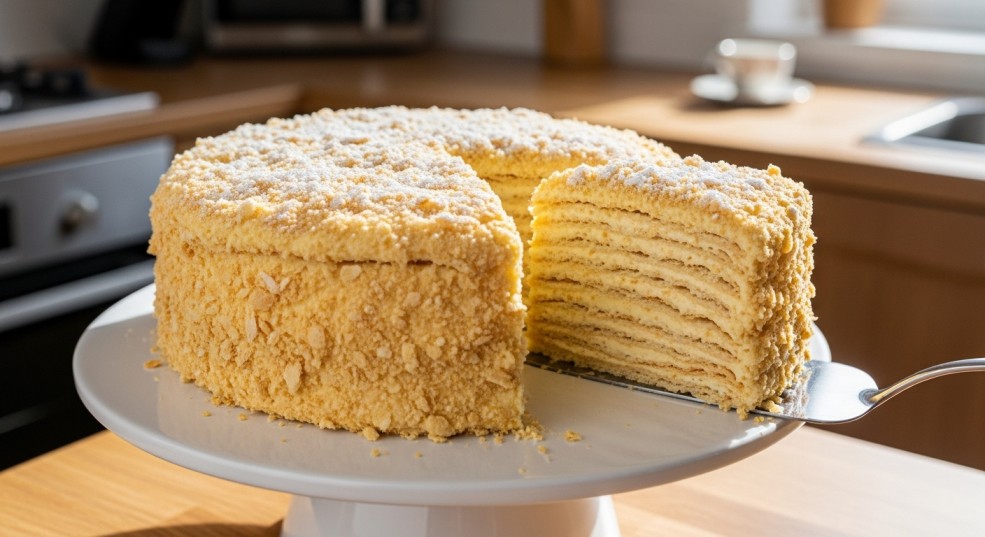
What Makes Russian Napoleon Cake Special
The beauty of Russian Napoleon cake comes from contrast. The pastry layers start out crisp and flaky. The cream filling is smooth, rich, and lightly sweet. When stacked and chilled together, the textures change completely.
The layers soften just enough to create a cake that slices clean but still feels delicate. Each forkful gives you many thin layers instead of one thick sponge. This makes the cake feel light even though it is rich.
Another reason people love this cake is how forgiving it is. The pastry does not need to look perfect. Cracks and uneven edges are expected and even welcome. Everything gets covered in crumbs at the end, which gives the cake its signature look.
Ingredients You Will Need
This cake uses simple pantry staples. Each ingredient plays an important role, so try not to skip or replace unless noted.
- All-purpose flour
- Cold unsalted butter
- Large eggs
- Cold milk
- Granulated sugar
- Cornstarch
- Vanilla extract
- Salt
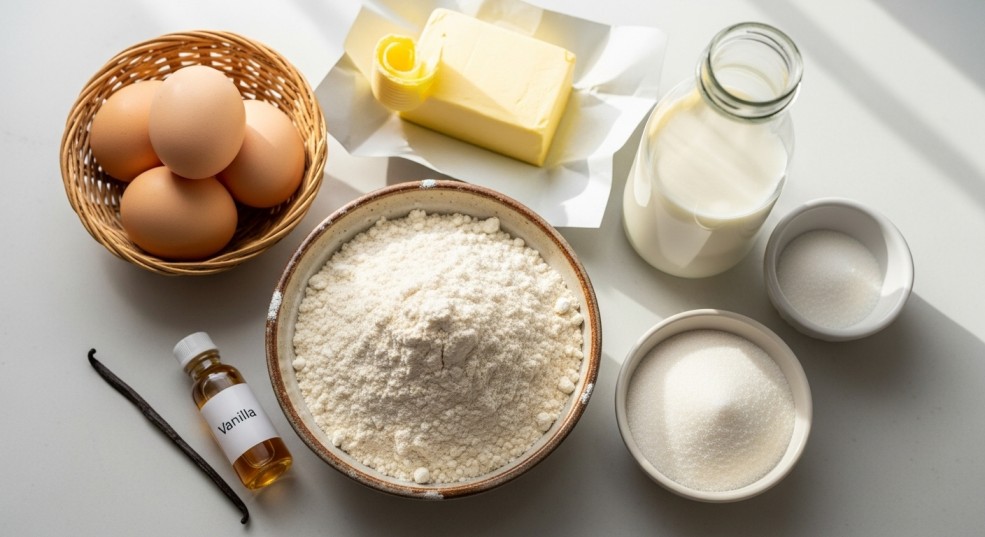
For the cream filling
- Whole milk
- Egg yolks
- Granulated sugar
- Cornstarch
- Unsalted butter
- Vanilla extract
Using cold butter is very important for the pastry layers. It helps create flakiness and keeps the dough easy to roll.
Understanding the Cream Filling
The cream used in Russian Napoleon Cake is similar to a pastry cream. It is thick but smooth and not overly sweet. This balance is important because the cake uses many layers.
If the cream is too thin, the cake will slide and lose shape. If it is too thick, it will not soak into the layers properly. Cooking the cream slowly and stirring constantly helps you get the right texture.
Once cooled, the cream becomes even thicker and easier to spread.
Step-by-Step Instructions
Step 1: Prepare the pastry dough
In a large bowl, whisk together the flour and salt. Cut the cold butter into small cubes and add it to the flour. Use your fingers or a pastry cutter to gently work the butter into the flour.
The mixture should look crumbly with small butter pieces still visible. Do not overmix. Those butter pieces create flakiness later.
In a separate bowl, mix the eggs and cold milk. Pour this mixture into the flour. Stir gently until a soft dough forms.
Divide the dough into equal portions. Shape each portion into a flat disc. Wrap them in plastic wrap and refrigerate for at least one hour. Chilling relaxes the dough and makes rolling easier.
Step 2: Make the cream filling
In a saucepan, whisk together milk, sugar, cocornflour,nd egg yolks. Place the pan over medium heat. Cook while stirring constantly. This step is important. Stirring prevents lumps and keeps the cream smooth.
After several minutes, the mixture will begin to thicken. Once it reaches a pudding like consistency, remove it from the heat. Add butter and vanilla extract. Stir until the butter melts fully and the cream looks glossy.
Transfer the cream to a bowl. Cover it with plastic wrap, pressing the wrap directly onto the surface. This prevents a skin from forming. Let it cool completely.
Step 3: Roll out the pastry layers
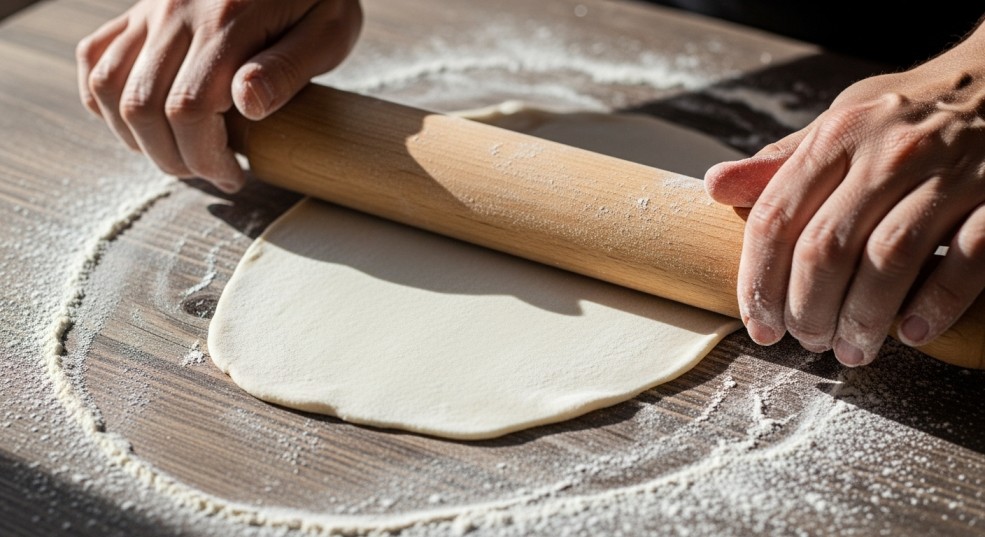
Preheat your oven to 375 degrees, and take one dough disc from the fridge. Roll it out on a lightly floured surface until very thin. Aim for a round shape, but perfection is not needed.
Place the rolled dough onto a baking sheet lined with parchment paper. Prick the surface lightly with a fork. This helps prevent puffing.
Repeat with the remaining dough, baking one layer at a time or two if your oven allows.
Step 4: Bake the layers
Bake each pastry layer for about seven to ten minutes. The layers should turn lightly golden. Watch closely; thin dough bakes fast.
Remove from the oven and let the layers cool completely. They will feel crisp and fragile. Handle gently.
If any layers crack, do not worry. Everything will come together later.
Step 5: Assemble the cake
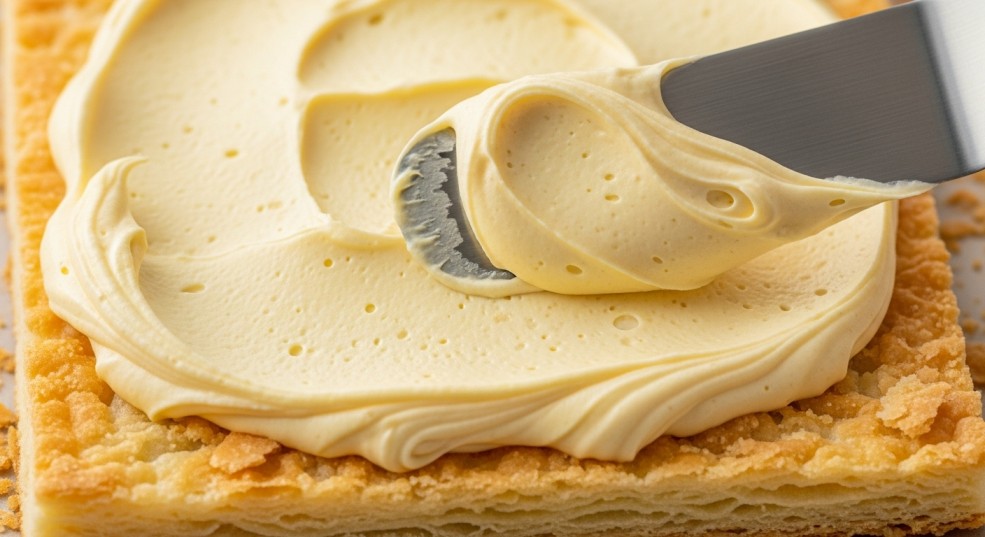
Place one pastry layer on a serving plate. Spread a thin, even layer of cream on top. Add another pastry layer and repeat. Continue stacking until all layers are used. Reserve one baked layer for crumbs. Crush it gently with your hands or a rolling pin.
Spread a thin layer of cream on the top and sides of the cake. Press the crumbs onto the top and sides until fully covered.
Step 6: Chill and rest
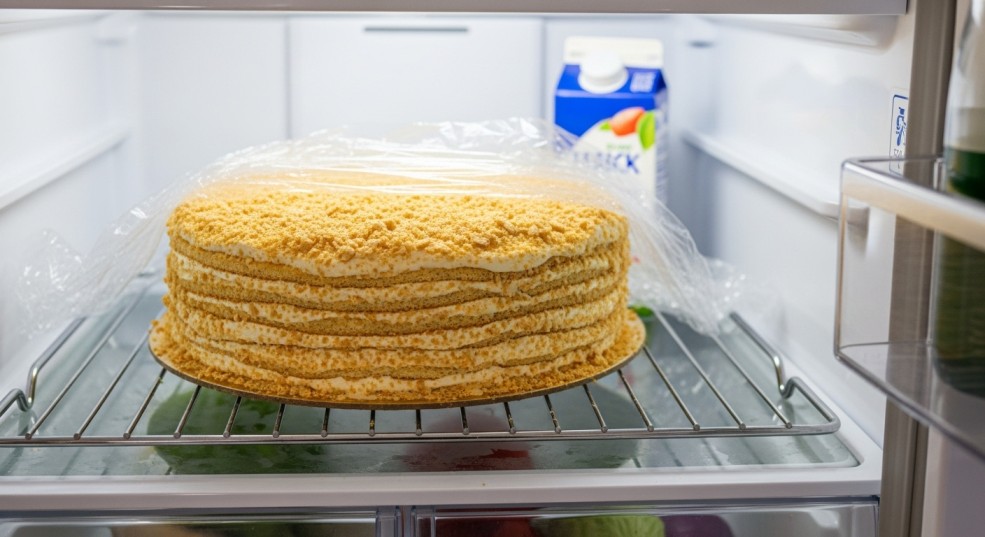
Cover the cake loosely and refrigerate for at least eight hours, preferably overnight. This resting time is what transforms the cake. The layers soften, the cream sets, and the flavors blend. Do not skip this step. The cake improves dramatically with time.
Helpful Tips for Best Results
- Roll the dough as thin as possible without tearing
- Keep the butter cold at all times
- Let the cake rest overnight for best texture
- Use gentle pressure when spreading cream
- Do not overbake the pastry layers
Small details make a big difference with this cake.
Flavor Variations You Can Try
- Add a small amount of lemon zest to the cream for brightness
- Use a touch of rum extract for warmth
- Add a thin layer of fruit jam between some layers
- Sprinkle powdered sugar on top instead of crumbs
These changes keep the cake interesting while staying true to tradition.
Frequently Asked Questions
Is Russian Napoleon cake the same as French mille-feuille?
They are similar, but the Russian version uses softer layers after resting and a richer cream.
Can I make this cake ahead of time?
Yes. It is best made one day ahead.
Why are my layers hard?
The cake needs more resting time for the cream to soak in.
Can I use store-bought puff pastry?
You can, but homemade layers give the best texture.
A Cake Worth the Time
Russian Napoleon Cake is not rushed. It rewards patience and care. Each layer tells part of the story, and the final result feels thoughtful and comforting.
If you enjoy layered desserts like Pineapple Coconut Dream Cake or rich classics like Butter Pecan Tres Leches Cake, this recipe deserves a place in your kitchen.
Once you slice into it and see those soft layers, you will understand why this cake has been loved for generations.
